
Voices from across the dance field united on 5 December 2025 at EDN’s online event of the year to shape the future of the sector.
EDN’s online advocacy conference brought together diverse voices from Europe’s contemporary dance scene to respond to the urgent need for cultural policy reform.
The event featured inspiring interventions and open dialogues across roles and regions, generating collective visions and practical strategies for the policies and infrastructures that can sustain dance in the years ahead.
Key Takeaways
The future of dance is already unfolding: in policies, practices, communities, and bodies in motion.
What happens when artists, advocates, institutions, and public decision-makers come together to imagine fairer conditions, stronger ecosystems, and a more visible role for dance in society?
The following key takeaways capture the voices, urgencies, and shared visions that emerged from EDN’s advocacy event. Together, they reflect a sector that is resilient yet demanding change, grounded in care yet driven by action, and united by the belief that dance is not a luxury, but an essential force for democracy, equity, and collective imagination.
Video Recording
Why We Speak Dance
EDN's 2025 online conference took place as the EU shapes its new Culture Compass policy framework and negotiates the next EU budget (2028-2034) — a decisive moment for the future of cultural funding in Europe.
The conference advances EDN’s advocacy campaign with a call to rebalance public support structures and invest in long-term infrastructure for dance.
Programme
Laurent Meheust & Louise Costelloe (EDN Co-Presidents)
Normunds Popens (European Commission, DG EAC)
The conference is moderated by Bertha Bermúdez, Co-director Dantzaz - Dantzagunea
Example of the Austrian Fairness Codex by Ulrike Kuner, General Manager EAIPA - European Association of Independent Performing Arts
Conversation with dance artist and choreographer Boris Charmatz, focused on dance practice as a catalyst for civic and social transformation.
Case study presentations by artists Idoia Zabaleta and Viktorija Ilioska.
“With Love Dancing on the Parliament” - conversation with choreographer Efva Lilija on active advocacy from and within artistic practice.
A simple, hands-on exercise for all participants on how to collect impactful dance data, guided by Amy Fee, General Manager, Danscentrum Sweden.
The lab invites all participants; artists, administrators, and audience members, to collaboratively envision the future of dance in Europe, addressing the three core themes of the conference:
Speakers
In order of appearance
Bertha Bermúdez
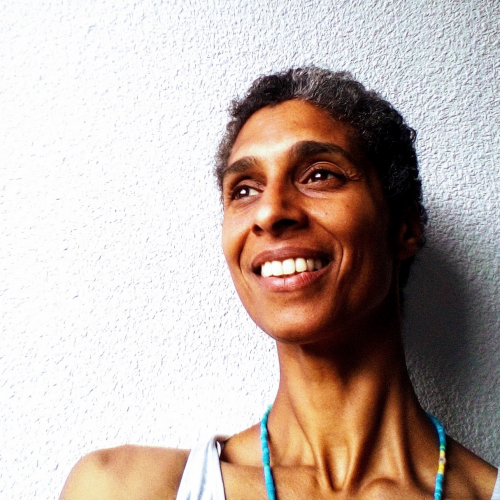
Bertha Bermúdez is co-director of Dantzaz - Dantzagunea, coordinating international projects, residencies, and documentation of Basque artists’ creative processes. Formerly a dancer with leading European choreographers, she now co-leads programs with Adriana Pous focused on sustainable working conditions, professionalisation, mediation, and mentoring. She has advised on the Navarre Music and Performing Arts Archive and contributes to dance curricula across Europe. Bertha also creates interactive installations and has published widely on dance documentation.
Laurent Meheust
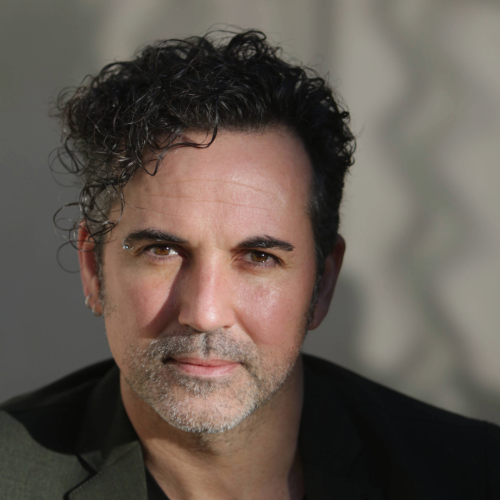
Laurent Meheust (EDN Co-President) is the director of Le Gymnase / CDCN (Roubaix / France) and develops international projects connecting to the residencies program and annual festivals. He previously took part in the construction of KLAP Maison pour la danse in Marseille and worked as a guest lecturer at the Université de Provence for the License and Master's in Cultural Mediation and in the Art and Cultural Heritage programmes.
Louise Costelloe

Louise Costelloe (EDN Co-President) is currently Programme Producer at Dance Ireland, where she works with the Dance Ireland team and membership to create opportunities for dance artists and the art form of dance to flourish. Her work in arts and dance management encompasses engagement with young people and communities, artist development, and programming performances and participatory experiences in dance. She is interested in dance dramaturgy, socially engaged practice and choreographic thinking.
Normunds Popens
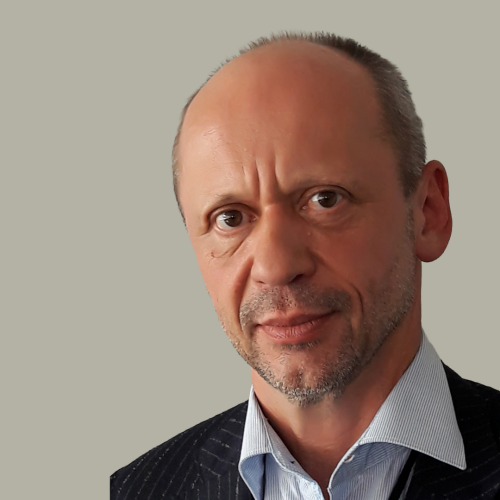
Normunds Popens has served as Deputy Director-General in the European Commission’s Directorate-General for Education, Youth, Sport and Culture since January 2024. From 2011, he was Deputy Director-General for Implementation in DG Regional and Urban Policy, overseeing EU structural and cohesion funds. Before joining the Commission, he held senior roles in Latvia’s diplomatic service, including Permanent Representative to the EU, Undersecretary of State, and ambassadorial posts in Norway, Iceland, and the United States.
Ulrike Kuner
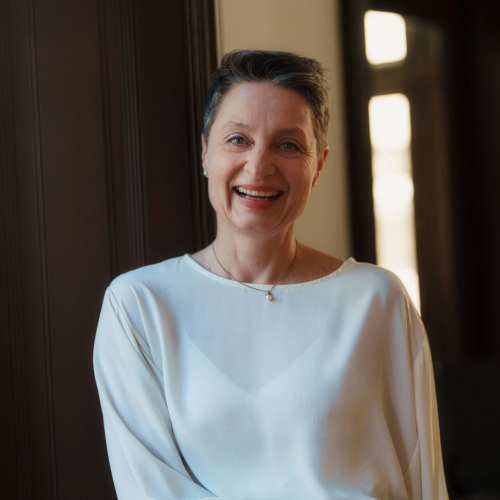
Ulrike Kuner has extensive experience in production and project management for major international festivals and theatre institutions. She led EU-funded initiatives, including modul-dance (2010–2014) and the European Dancehouse Network (2014-2017). Since 2017, she has served as managing director of IG Freie Theaterarbeit, supporting freelance artists and collaborating with policymakers on advocacy and funding. She became president of the European Association of Independent Performing Arts in 2018 and co-founded the Contact Point against abuses of power in 2021.
Boris Charmatz
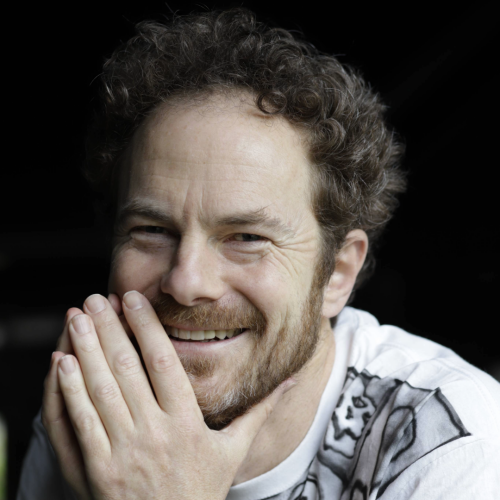
Boris Charmatz, a leading figure in French contemporary dance since his 1993 breakthrough À bras-le-corps, is a dancer, choreographer, and creator of experimental projects. As director of the CCN de Rennes (2009–2018), he transformed it into the Musée de la danse to explore new relationships with audiences. His acclaimed works, including Aatt enen tionon (1996), enfant (2011), and 10000 gestes (2017), have toured globally and inspired retrospectives at MoMA (New York), Tate Modern (London), and Festival d’Automne (Paris). Since 2019 he has explored dance’s foundations with his company Terrain, and from 2022 to 2025 he directed Tanztheater Wuppertal Pina Bausch.
Idoia Zabaleta Morán
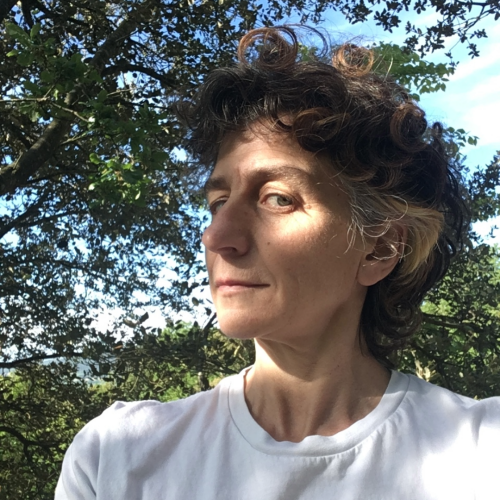
Idoia Zabaleta is an artist, choreographer, and biologist whose work focuses on rural artistic practice and situated research. She co-founded Azala, a residency space in Lasierra (Basque Country), dedicated to supporting experimentation, artistic processes, and critical thinking. Her practice foregrounds attention, interdependence, and ways of making that emerge from rural environments, offering distinct perspectives on how dance ecosystems can evolve.
Viktorija Ilioska
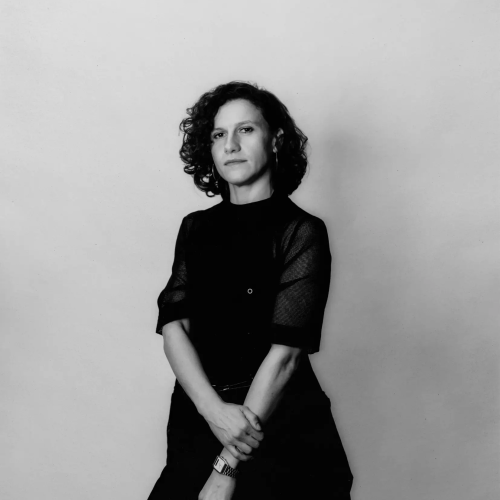
Viktorija Ilioska is a North Macedonia–born choreographer and performer whose work unfolds between contemporary dance, social research, and collaborative creation. Based in Europe, she develops projects exploring embodiment, identity, and collective movement practices. Active in international residencies and platforms, she works across choreographic experimentation and community-based processes. Her practice reflects a commitment to rethinking artistic infrastructures, fostering shared authorship, and engaging participants in new forms of presence, agency, and artistic citizenship.
Efva Lilja

Efva Lilja is a Swedish choreographer with a global reach. Her choreographed events challenge and offer new visions for creating a reality in which political activities and everyday actions can be questioned and reformulated. Her award-winning works have been presented in forty countries, often seen as controversial and trailblazing. She is also highly recognised for her work promoting artistic research, as well as her activism and art-political engagement.
Amy Fee
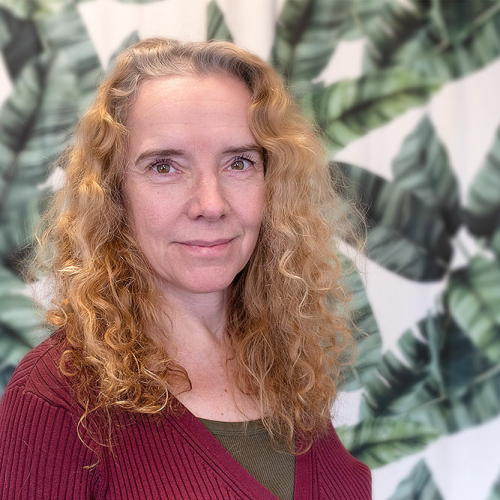
Amy Fee is the General Manager of Danscentrum Sverige, the national organisation for independent choreographers and dancers in Sweden. She has a background as a producer and project leader in the performing arts and expertise in EU and Nordic cultural funding, collaborative projects, and sector development. Amy is also an experienced board member, a former IT project manager, and a certified Scrum Master. She is interested in democracy, community organisation, and evaluation methods for "soft" values.
About the Project
The conference is brought to you by Embodied Transformations, EDN’s EU-funded network project. It connects contemporary dance professionals, organisations, and communities across Europe to foster a transformative and interdependent dance ecosystem.
EDN is a Spain-based organisation. The participation of Spanish artists and cultural professionals is made possible by INAEM, the National Institute of Performing Arts and Music of Spain.