EU’s Culture Compass for Europe
Aligning vision, values and action for Europe’s cultural ecosystem.
More
Are you a keeper or practitioner of dance heritage? DanceMap would love to hear from you.
Do you work with embodied knowledge, transmission, reconstruction, archives or community memory?
Your experience can help shape a more inclusive future for European dance heritage.
Share Your Practice
Dance heritage often lives beyond formal archives: in bodies, personal collections, small organisations and community networks. By completing and sharing this survey, you help us understand:
Please share it with your colleagues, artists, practitioners and networks.
Who We’d Love to Hear From
We warmly invite responses from anyone engaged with dance heritage, formally or informally, including:
Because dance moves across borders, bodies and cultures, we especially welcome voices from across Europe and from practitioners working in connected contexts worldwide.
About the Survey
The survey was designed by the Centre for Dance Research (C-DaRE) at Coventry University as part of the DanceMap project. It maps the materials, practices and stories connected to 20th- and 21st-century dance.
We are particularly keen to learn about:
Your contributions will directly inform the next stages of DanceMap’s work and research priorities, helping to build a more diverse, visible and living map of European dance heritage.
What Is DanceMap?
DanceMap is a three-year international artistic research project dedicated to safeguarding and celebrating the rich and often overlooked heritage of modern and contemporary European dance.
It brings together artists, researchers, cultural organisations, archives and policy experts to explore new ways of documenting, understanding and sharing embodied cultural knowledge.
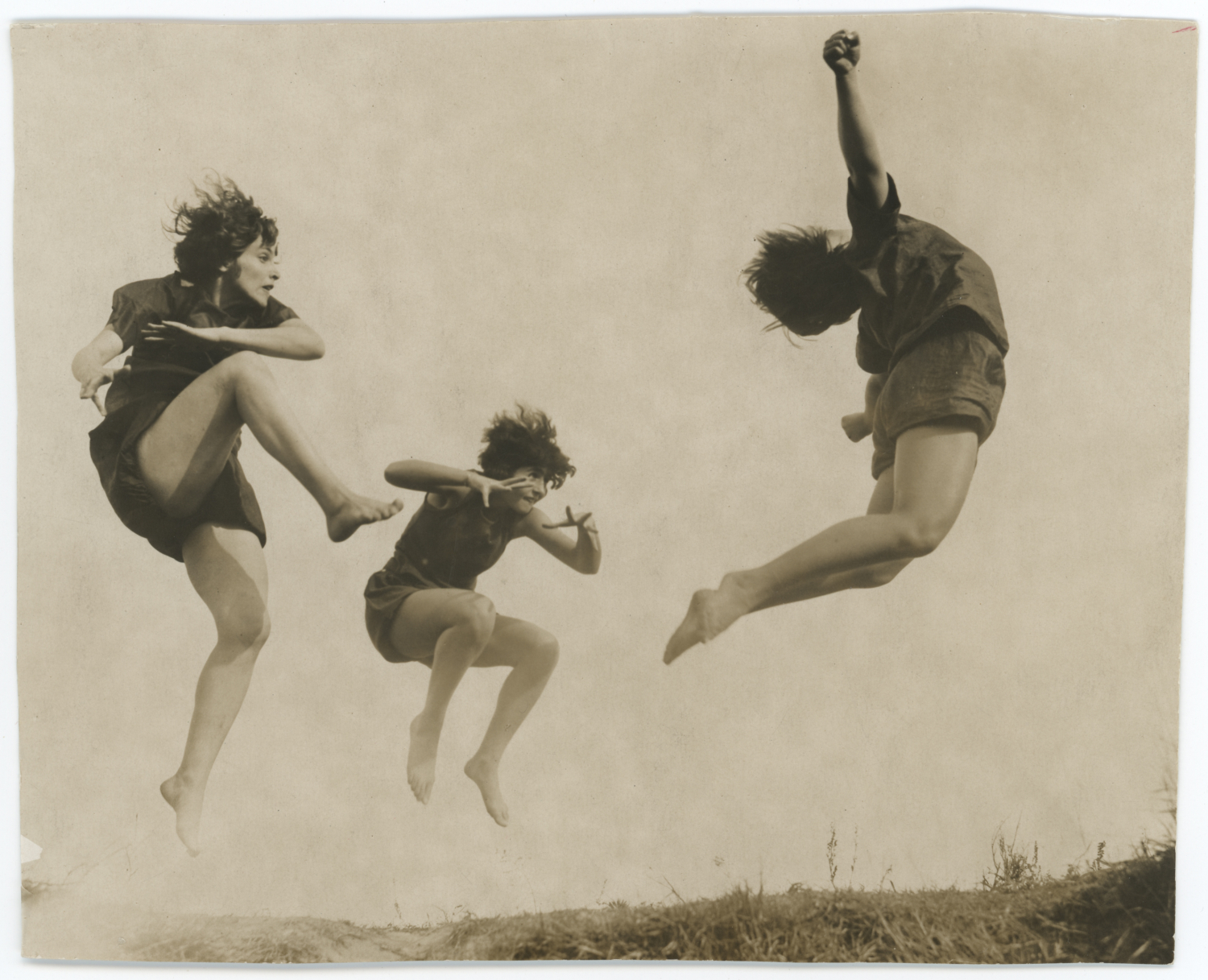
Image credits: Vera Skoronel Dance Group, 1920s. Photo by Continental Photo, Berlin, Courtesy of Deutsches Tanzarchiv Köln
Aligning vision, values and action for Europe’s cultural ecosystem.
More
Are you a keeper or practitioner of dance heritage? DanceMap would love to hear from you.
More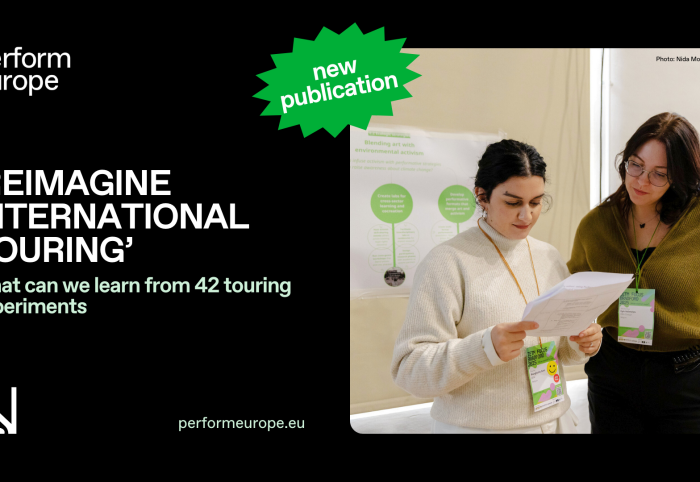
How can international touring in the performing arts respond to ecological urgency, social inequality and changing cultural landscapes?
More